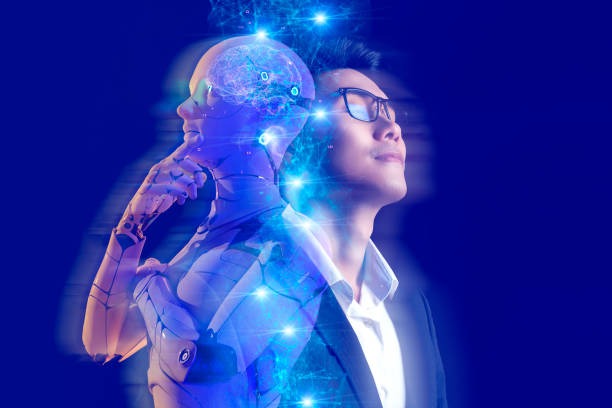









The advent of image generation AI marks a significant milestone in the evolution of design automation, raising intriguing possibilities for the future. As technology continues to advance at an unprecedented pace, artificial intelligence has begun to revolutionize various industries, and design is no exception. Image generation AI refers to the use of machine learning algorithms to create visual content autonomously, offering a new toolset for designers and creative professionals.
One of the key advantages of image generation AI lies in its ability to streamline and enhance the creative process. Traditionally, designing visually appealing graphics or artworks required substantial time and effort from skilled artists. However, with AI-driven tools like GANs (Generative Adversarial Networks), designers can now generate high-quality images within minutes. These algorithms learn from vast datasets and are capable of producing unique visuals that align with specific styles or themes defined by users.
Moreover, Image generation AI offers limitless possibilities for customization and experimentation. Designers can input parameters or constraints into these systems to generate variations on a theme or explore entirely new concepts without starting from scratch each time. This flexibility allows for rapid prototyping and iteration, enabling designers to focus more on refining ideas rather than getting bogged down in repetitive tasks.
Furthermore, image generation AI democratizes access to design capabilities by lowering entry barriers for individuals who may not possess advanced artistic skills. With user-friendly interfaces becoming increasingly prevalent, even those without formal training can leverage these tools to create professional-grade visuals quickly and easily.
However promising this technology may be though; it does come with challenges worth considering before declaring it as “the future” outrightly: ethical concerns surrounding intellectual property rights arise when using generated images commercially – who owns them? Additionally biases inherent within training data could perpetuate stereotypes if not addressed carefully during development stages leading us into murky waters ethically speaking!
Despite these challenges though; there’s no denying that incorporating such technologies holds immense potential transforming how we approach visual storytelling across multiple domains including advertising entertainment media architecture fashion among others making way towards exciting innovations yet unforeseen but certainly impactful nonetheless!
In conclusion while some skeptics argue against fully embracing automated solutions fearing loss creativity human touch involved traditional methods truth remains undeniable: integrating intelligent systems alongside human expertise yields powerful synergies unlocking opportunities previously unimaginable paving path forward where imagination meets innovation head-on driving progress beyond boundaries once thought insurmountable ultimately reshaping landscape entire industry itself redefining what possible achieving harmonious balance between man-machine collaboration fostering growth prosperity alike thereby cementing role integral part tomorrow’s world today!